
Bitcoin Mining Explained: What It Is, Why It Is Used, How It Works, Types of Mining, and Network Security

Meet Khushal Luniya – A Young Tech Enthusiast, AI Operations Expert, Graphic Designer, and Desk Editor at Luniya Times News. Known for his Brilliance and Creativity, Khushal Luniya has already mastered HTML and CSS. His deep passion for Coding, Artificial Intelligence, and Design is driving him to create impactful digital experiences. With a unique blend of technical skill and artistic vision, Khushal Luniya is truly a rising star in the tech and Media World.


Mining of Bitcoin (BTC)
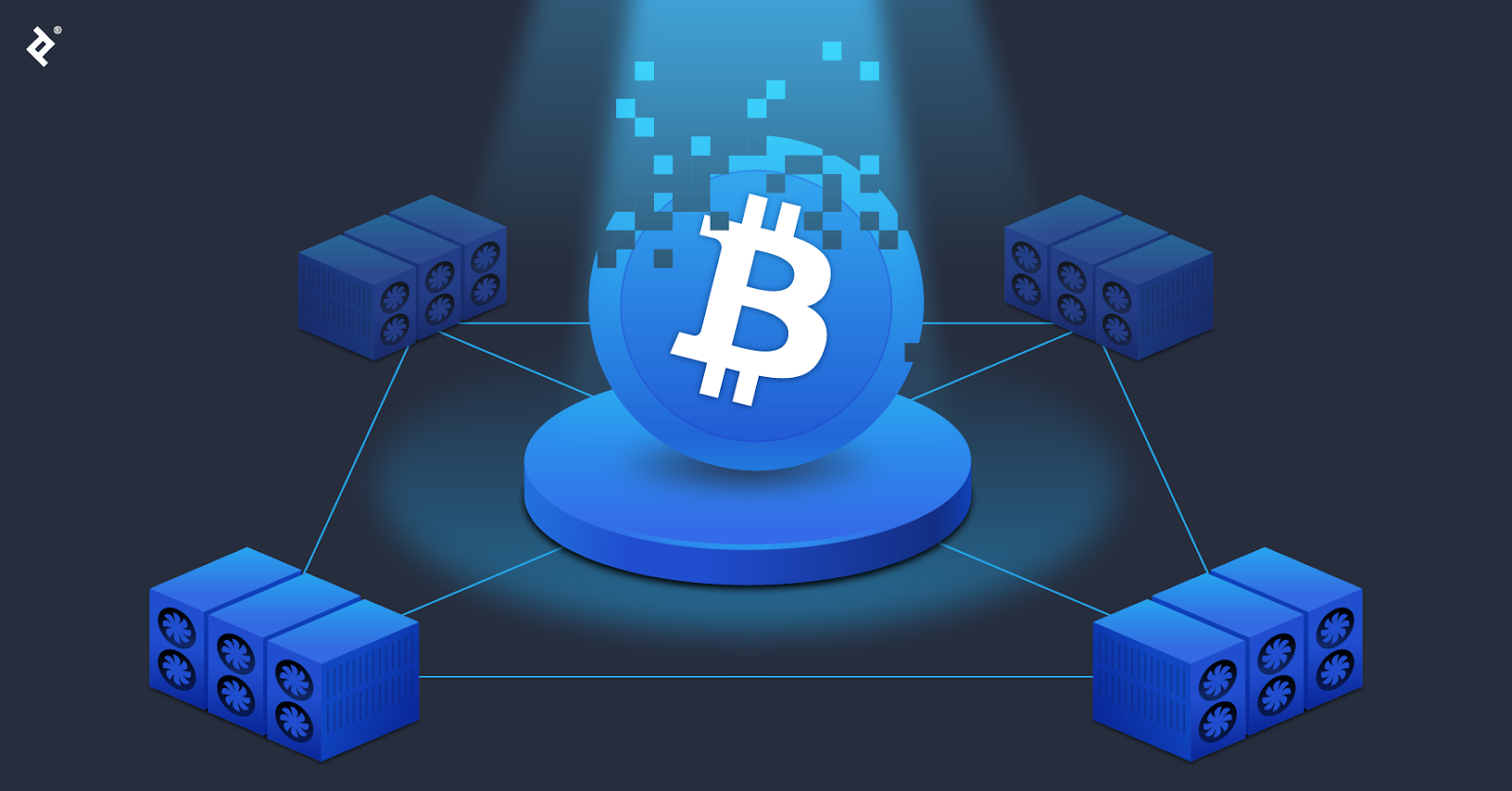
Bitcoin mining is the fundamental process that powers the Bitcoin network. It is responsible for validating transactions, securing the blockchain, and maintaining a decentralized consensus without relying on any central authority. Through cryptographic computation and economic incentives, mining enables Bitcoin to function as a trustless digital monetary system.
What Is Bitcoin Mining?
Bitcoin mining is the act of confirming pending transactions and grouping them into blocks that are permanently recorded on the blockchain. Miners compete to solve a mathematical challenge based on the SHA-256 cryptographic hash function. The first miner to produce a valid solution broadcasts the block to the network, where it is independently verified by nodes before being accepted.





Why Bitcoin Mining Is Used
Mining exists to solve three critical problems in decentralized systems: trust, security, and agreement. Since Bitcoin operates without a central administrator, mining provides a mechanism to agree on the correct transaction history. It prevents double spending, protects against fraud, and ensures that all participants share a single, verifiable version of the ledger.
How Bitcoin Mining Works
Miners collect unconfirmed transactions from the peer-to-peer network and organize them into a candidate block. Each block contains transaction data, a reference to the previous block, a timestamp, and a nonce value. Miners repeatedly adjust the nonce and compute hashes until the output satisfies the current difficulty target. This process requires substantial computational effort, forming the basis of Proof of Work.
Proof of Work Consensus
Proof of Work is the consensus mechanism that secures Bitcoin. It requires miners to perform energy-intensive calculations, making it costly to attack the network. Consensus is achieved when nodes accept the longest valid chain, defined as the chain with the highest cumulative computational work.
Types of Bitcoin Mining
Bitcoin mining can be categorized based on how computational power is organized. Solo mining involves a single participant attempting to mine independently. Pool mining allows multiple miners to combine resources and share rewards. Cloud mining provides remote access to mining power hosted by third parties, although it introduces trust considerations.
Transaction Verification and Block Creation
Each transaction included in a block is verified for correctness. Digital signatures are checked, inputs are validated, and consensus rules are enforced. Once verified, the block becomes part of the immutable blockchain, linking cryptographically to all previous blocks.
Difficulty Adjustment Mechanism
Bitcoin automatically adjusts mining difficulty at regular intervals to maintain a consistent block time of approximately ten minutes. This ensures predictable issuance and stable network operation, regardless of changes in global mining participation.
Security and Attack Resistance
Mining provides strong protection against attacks such as transaction rewriting and chain manipulation. To alter the blockchain, an attacker would need to control a majority of the network’s computational power, making large-scale attacks economically impractical.
Role of Mining in Bitcoin’s Future
As block rewards decrease over time, mining incentives gradually shift toward transaction fees. This transition is designed to preserve long-term security while maintaining Bitcoin’s fixed supply model and decentralized structure.