Introduction
The Internet of Things (IoT) refers to a network of physical devices embedded with sensors, software and connectivity that enable them to collect and exchange data. IoT extends internet connectivity beyond computers and smartphones to everyday objects, transforming how systems interact with the physical world.
What is Internet of Things
IoT systems integrate hardware devices, communication protocols and cloud platforms to enable real-time data flow and automated decision-making. These systems operate with minimal human intervention and rely heavily on sensors, actuators and embedded processors.
Core Components of IoT
Devices & Sensors
Sensors capture environmental data such as temperature, motion, pressure and humidity, while actuators perform actions based on commands.
Connectivity
Communication technologies like Wi-Fi, Bluetooth, LPWAN, 5G and MQTT enable data transmission between devices and servers.
Cloud & Platforms
Cloud platforms store, process and analyze massive IoT data streams while enabling device management and scalability.
IoT Architecture
A typical IoT architecture consists of perception, network and application layers. Modern implementations may also include edge computing to reduce latency and bandwidth usage.
Applications of IoT
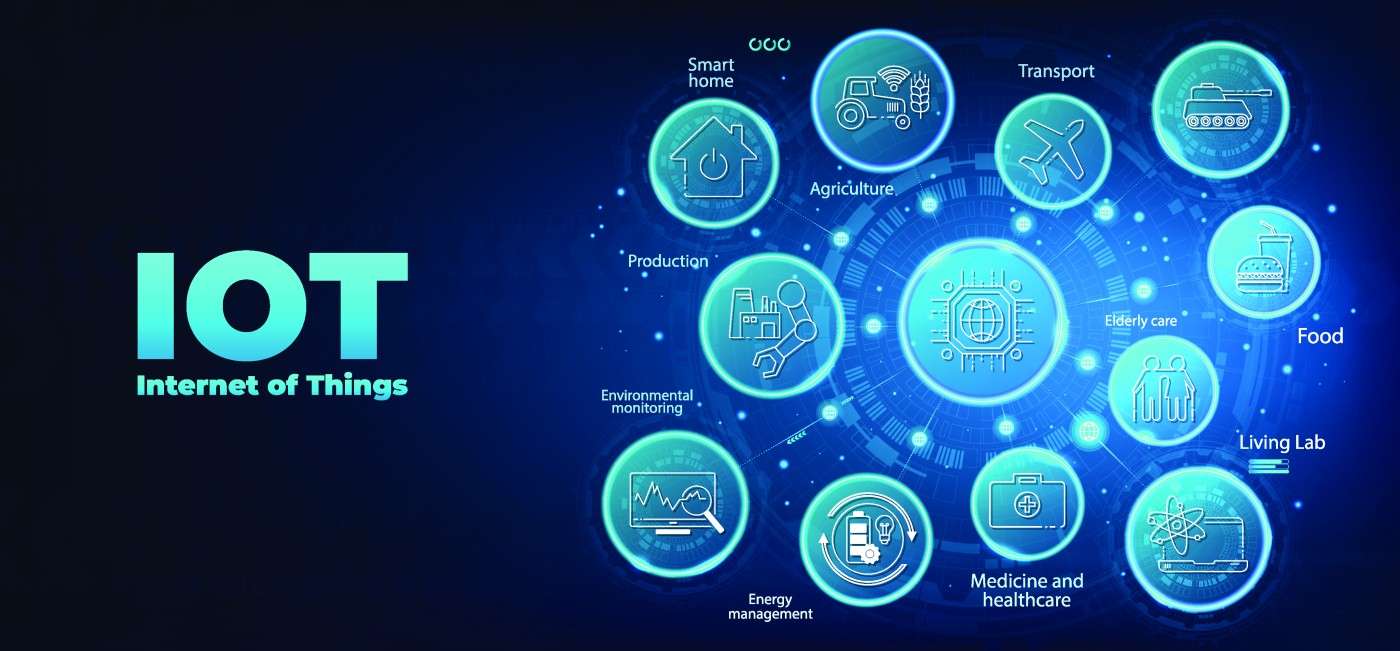
Smart Homes
Automated lighting, climate control, security systems and energy management using connected devices.
Industrial IoT
Monitoring machinery, predictive maintenance and optimizing manufacturing processes.
Smart Cities
Traffic management, waste monitoring, smart grids and urban infrastructure optimization.
IoT Security Challenges
IoT devices often operate with limited resources, making security a major challenge. Common risks include weak authentication, unencrypted communication and large attack surfaces.
Future of IoT
The future of IoT will be shaped by edge AI, 5G connectivity, digital twins and tighter security frameworks. As devices become more intelligent, IoT ecosystems will play a central role in digital infrastructure.